SNEC PV Power Expo 2026: Key Trends from the Exhibition
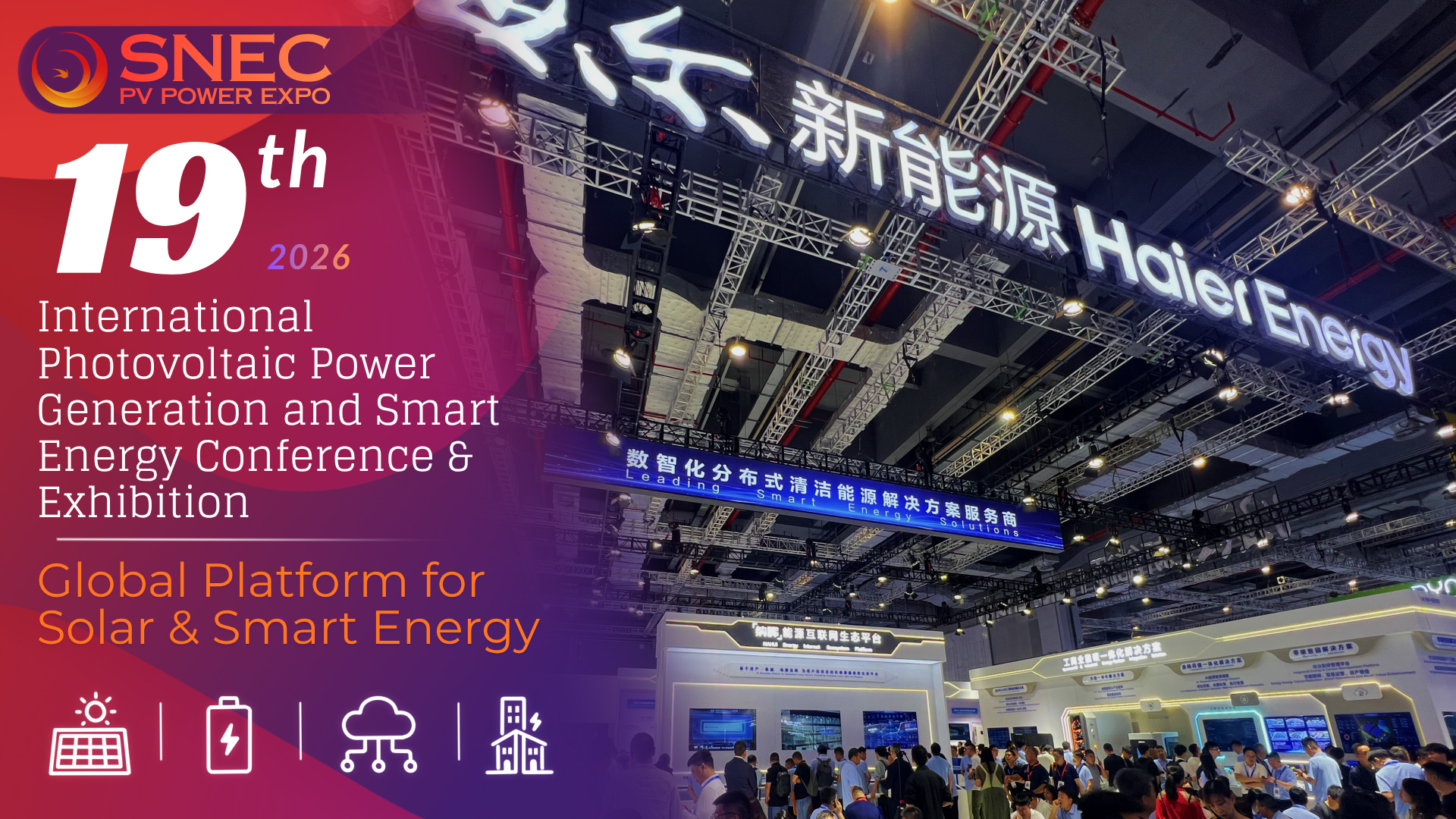
The 19th (2026) International Photovoltaic Power Generation and Smart Energy Conference & Exhibition [SNEC PV POWER EXPO] was held in Shanghai, China, from June 3 to 5, 2026.
The SNEC PV Power Expo is organized by 16 international organizations, including the European Photovoltaic Industry Association (EPIA) and the Chinese Renewable Energy Society (CRES). The event has been held since 2007 and grows in scale every year — a clear testament to the steady expansion of the renewable energy market. This year the exhibition brought together more than 3,000 exhibitors and covered an area of over 360,000 sq. meters, reaffirming its status as the world’s leading venue for closing international contracts in the renewable energy sector.
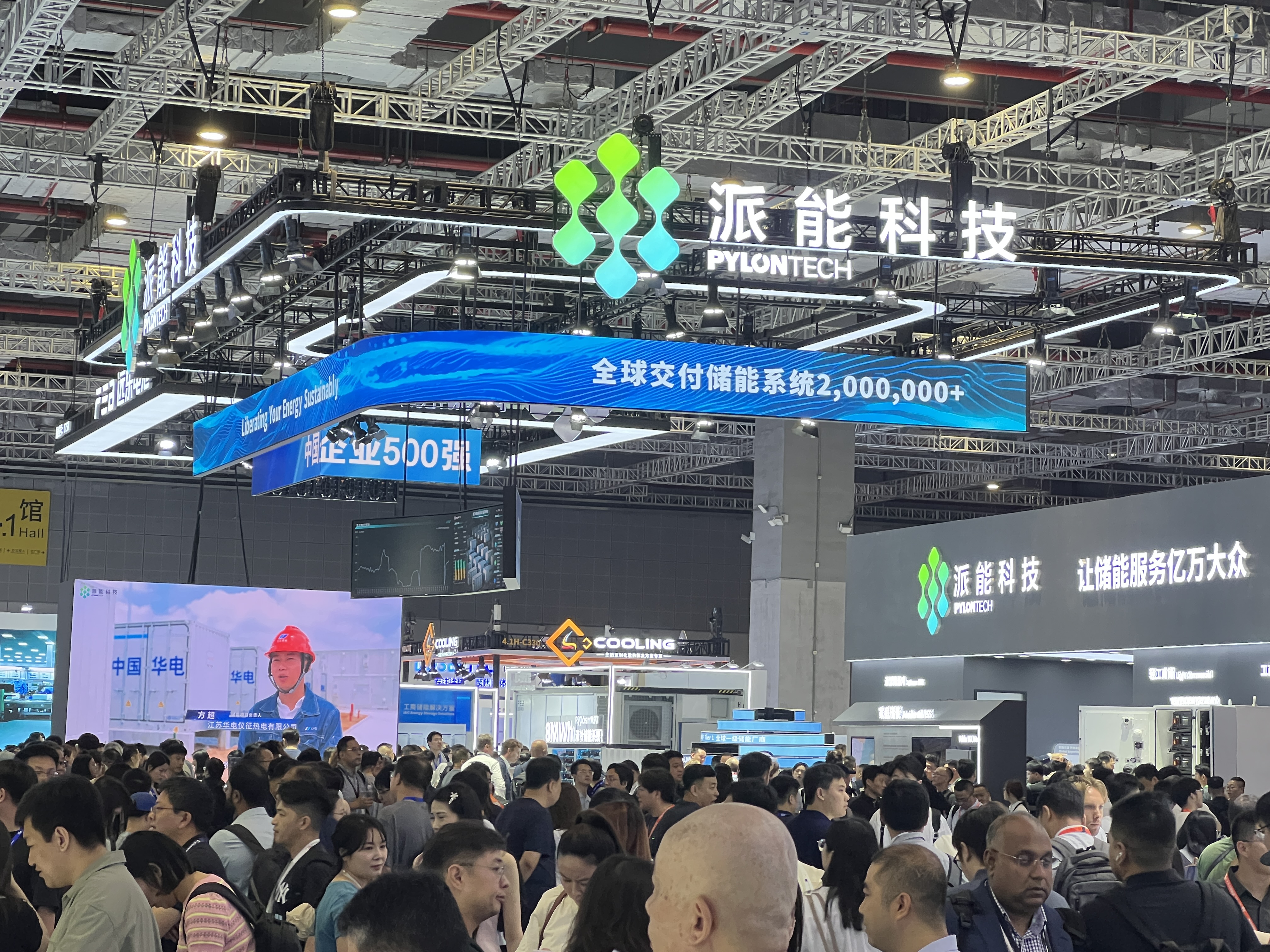
This year’s exhibition featured photovoltaic energy conversion equipment, silicon rod, ingot and wafer production equipment, cell, panel and module manufacturing equipment, thin-film panel production equipment, converters, inverters, monitors, lighting equipment, energy systems, mobile charging devices, water pumps and much more. The SNEC Scientific Conference ran alongside the exhibition, where leading PV scientists presented cutting-edge solar energy technologies.
Below we highlight a few emerging trends that will be of particular interest to our partners.
Solar panels: 25% efficiency as the new standard
The defining trend of the exhibition was the widespread breakthrough past the 25% efficiency barrier for standard silicon modules.
New records
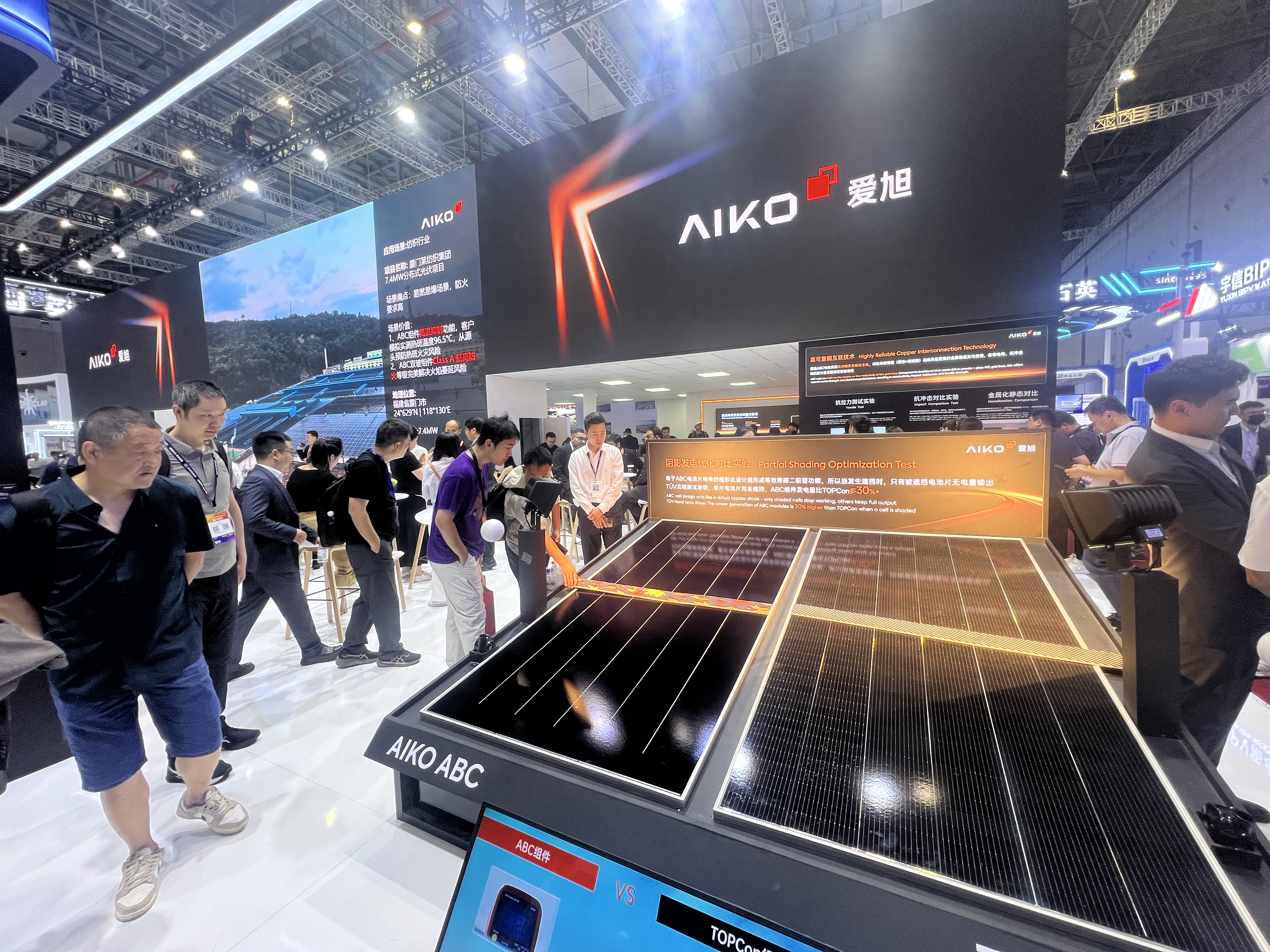
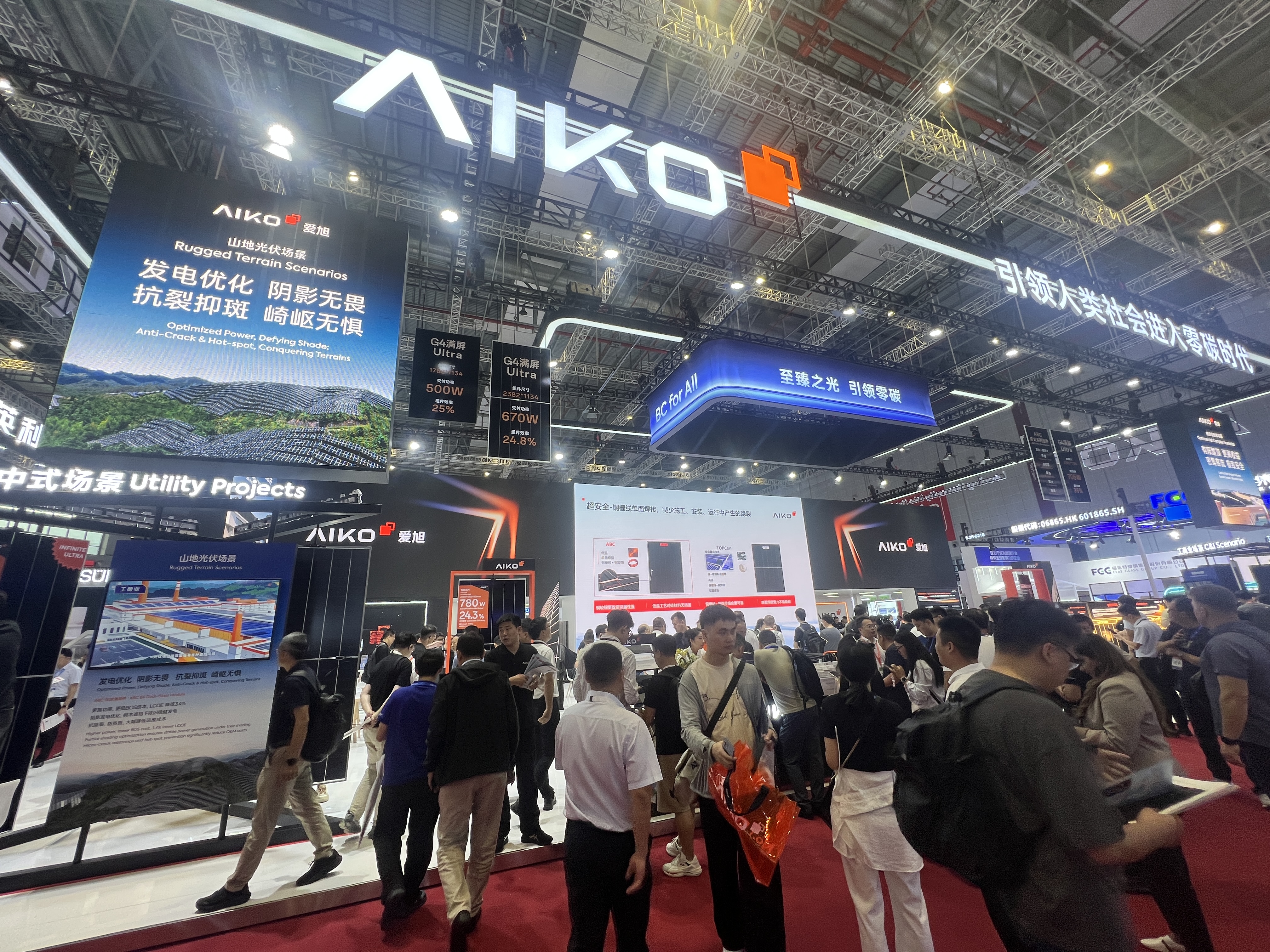
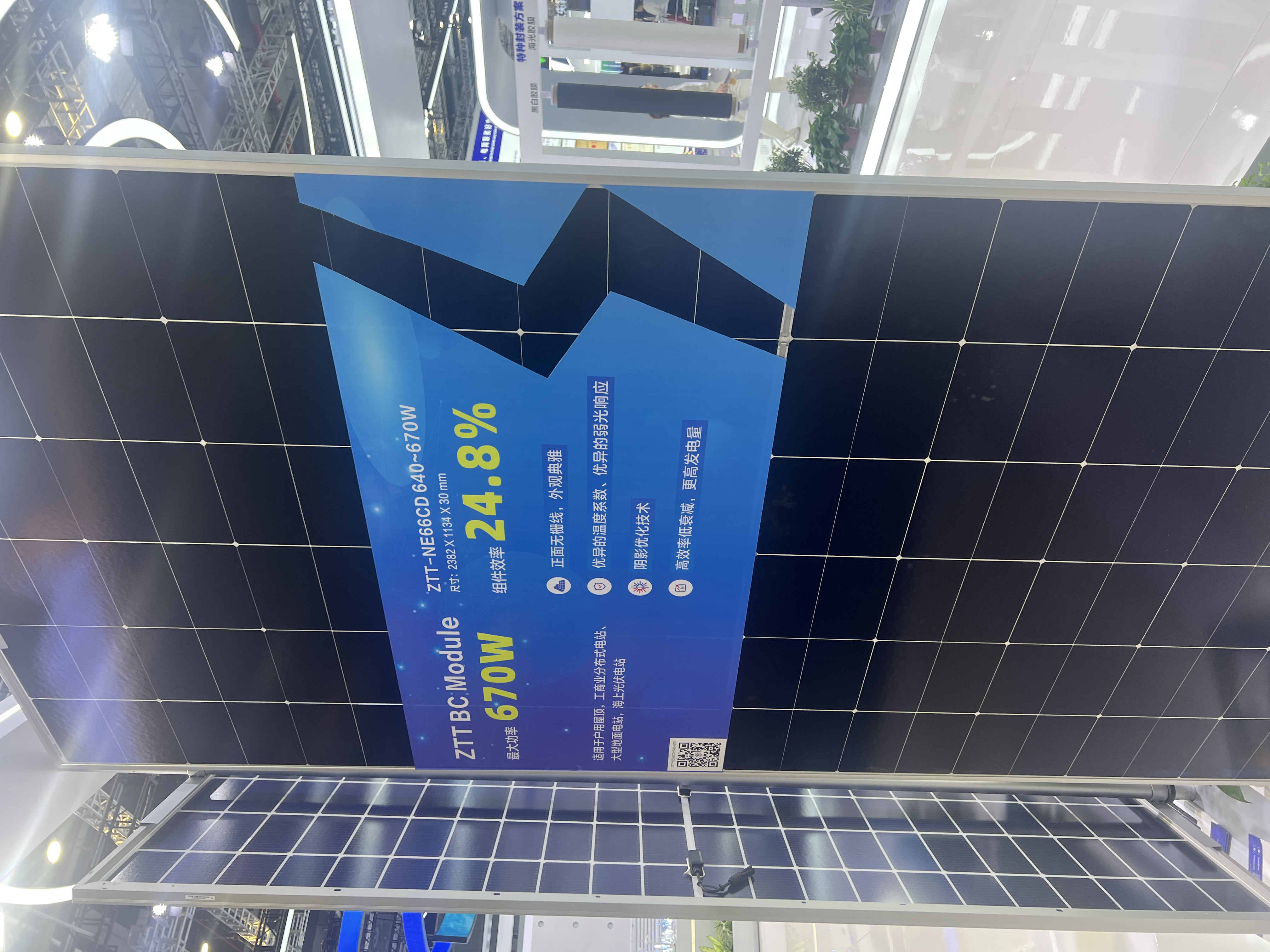
Aiko Solar unveiled a panel with 25.6% efficiency. Its key feature is the Infinite series architecture — a complete absence of metal contacts on the front surface and 100% light-receiving area.
Tiger Neo 3.0 platform
Market leader JinkoSolar brought the AIDC module with 25.17% efficiency, purpose-built for data center power supply.
Other flagships
LONGi showcased panels based on BC (Back Contact) technology with 25.5% efficiency, while Canadian Solar presented a module reaching 25.2%.
Quarter-Cut technology
Suntech introduced the Ultra T 3.0 module based on TOPCon cells, achieving cell-level conversion efficiency of over 27.5% and a bifaciality coefficient of up to 90%.
Inverters: the Grid-Forming era and intelligent AI
Inverters have moved well beyond simple current conversion, evolving into digital grid management hubs.
Huawei Digital Power set the trend for end-to-end Grid-Forming technology — where the inverter actively shapes the grid. This enables equipment to stabilize grid frequency and voltage without the involvement of conventional thermal or nuclear power plants, which is critical as the share of renewables rises.
AI integration
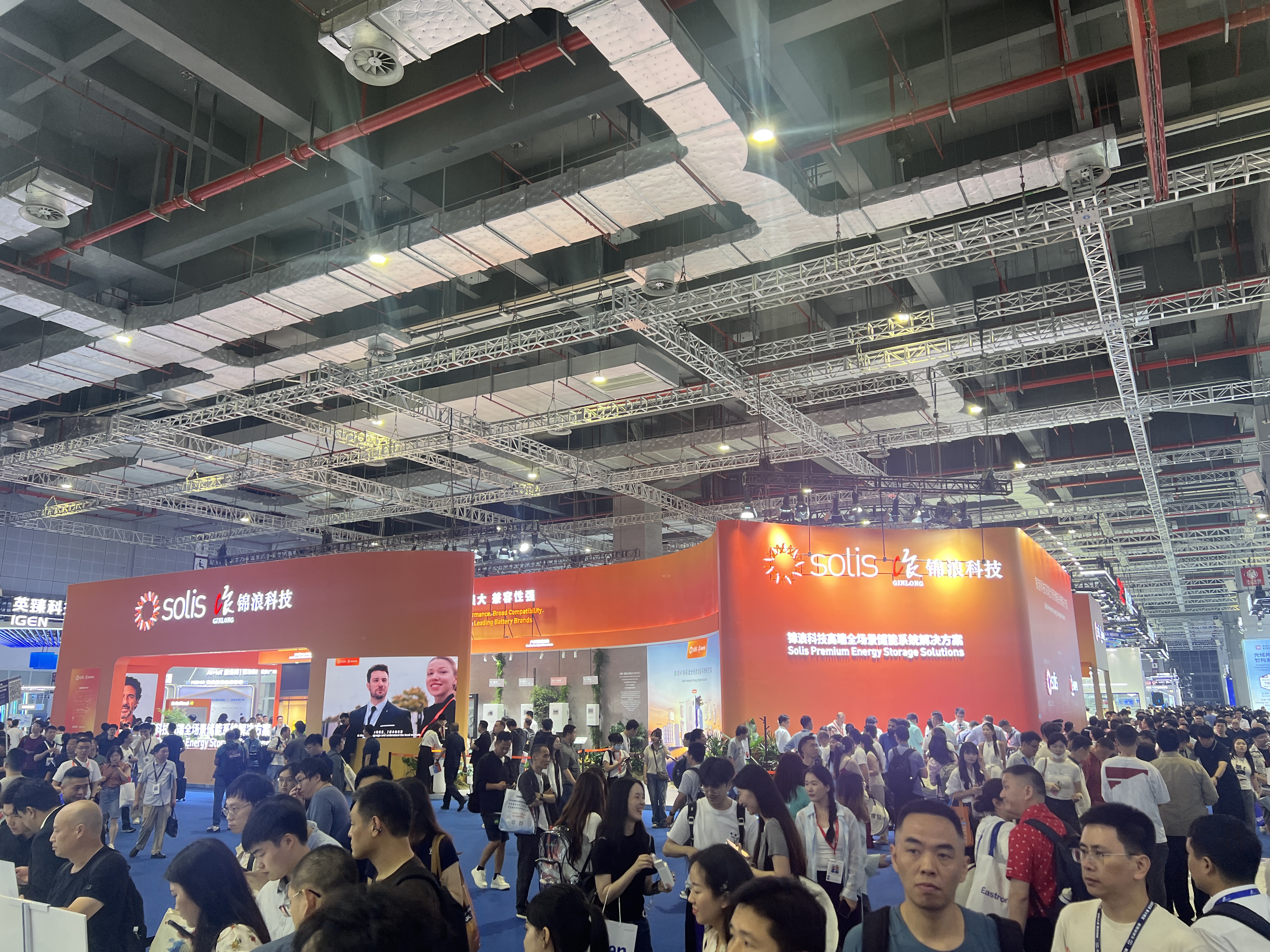
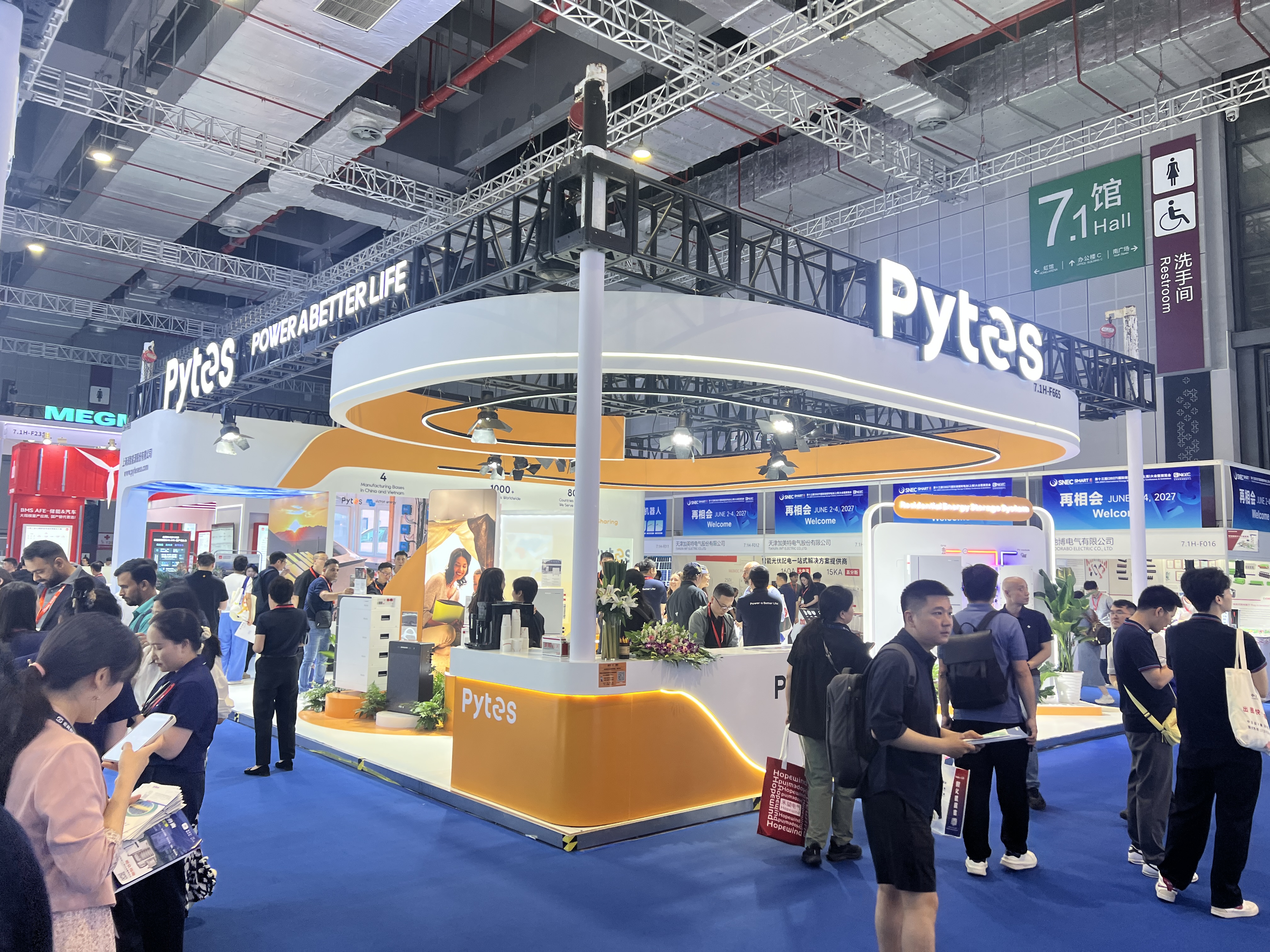
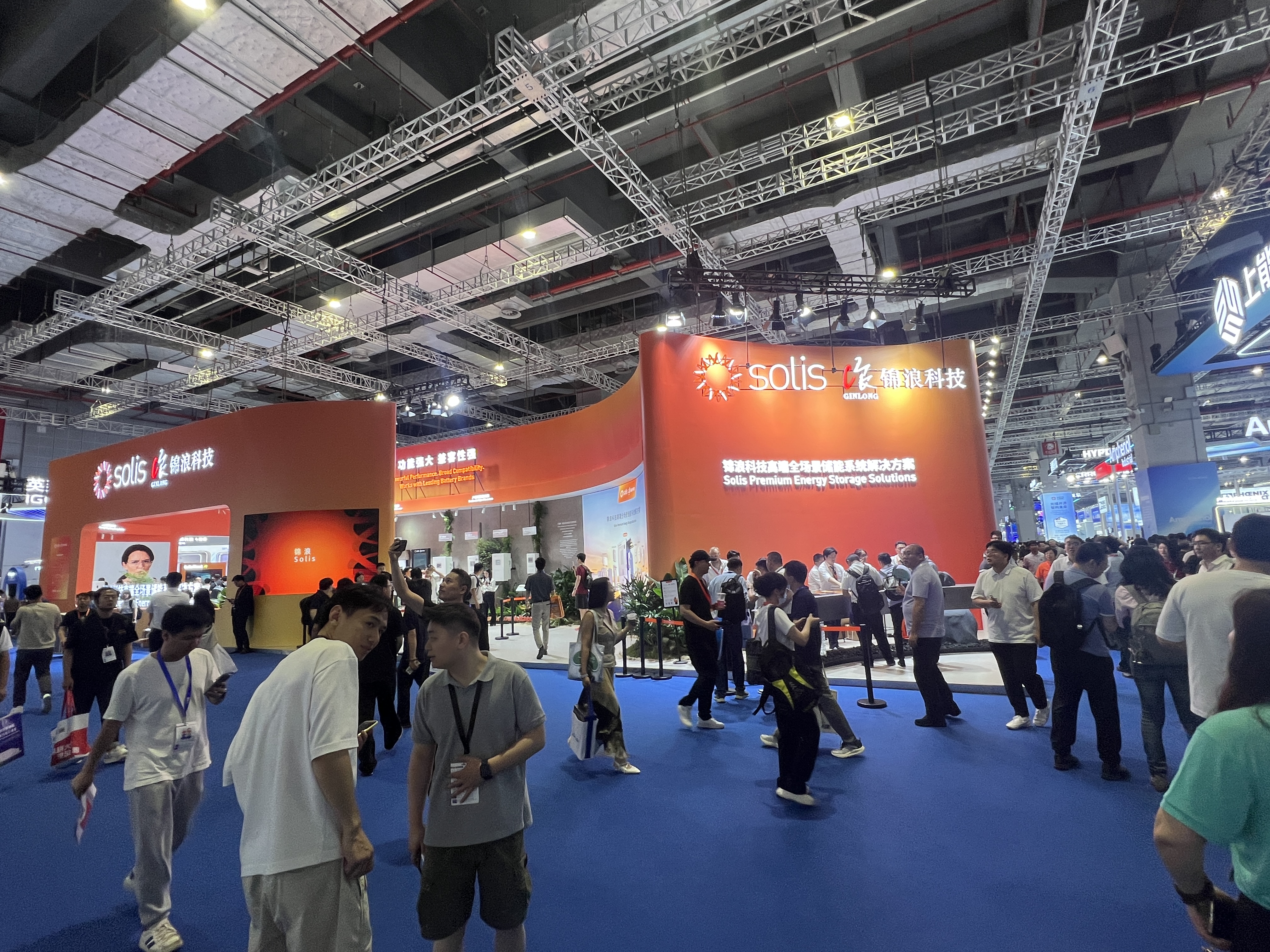
Manufacturers Solis and APsystems have embedded AI algorithms directly into inverter control chips. The system forecasts generation based on weather data and dynamically manages residential and industrial microgrids.
Solid-State Transformers (SST)
StarCharge demonstrated an innovative medium-voltage solid-state transformer with six-channel power output, directly interfacing high-voltage grids with AI data centers and fast-charging hubs.
Industrial energy storage systems (BESS): density and massive capacity
The main competition centered on the capacity of a standard 20-foot container and cell safety.
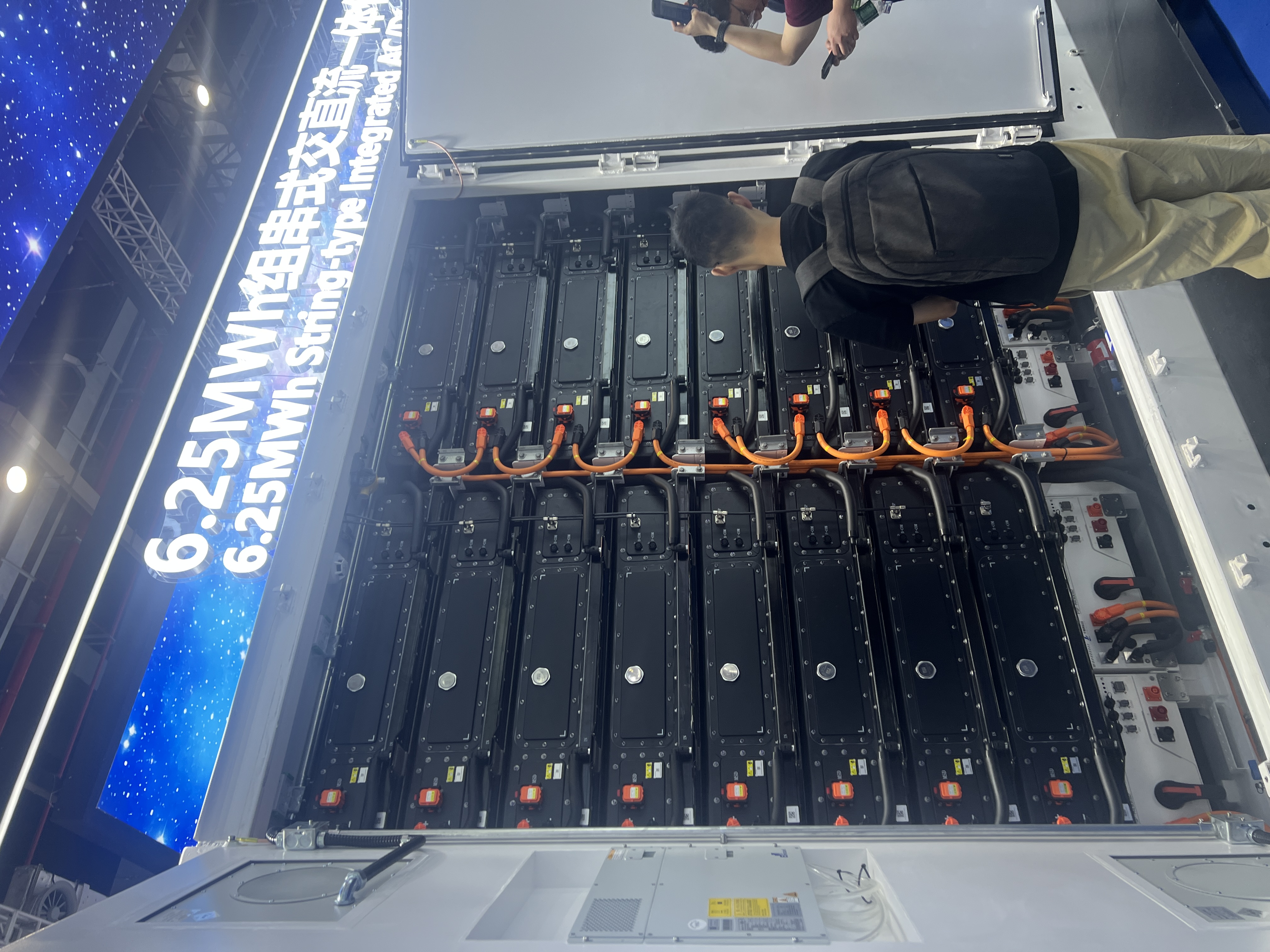
6.25 MWh containers
StarCharge announced an industrial energy storage system with a capacity of 6.25 MWh within the footprint of a single container. This was made possible by the transition to ultra-high-capacity lithium iron phosphate (LFP) cells rated at 587 Ah.
DC-bus architecture
New storage systems are migrating to a shared DC bus architecture, which reduces energy conversion losses across the panel–battery–grid chain.
Liquid cooling
Thermal management systems have adopted new coolants that bring the risk of cell thermal runaway to virtually zero, allowing storage units to be installed directly adjacent to industrial facilities.
Residential and balcony energy storage: plug-and-play, AI and VPP
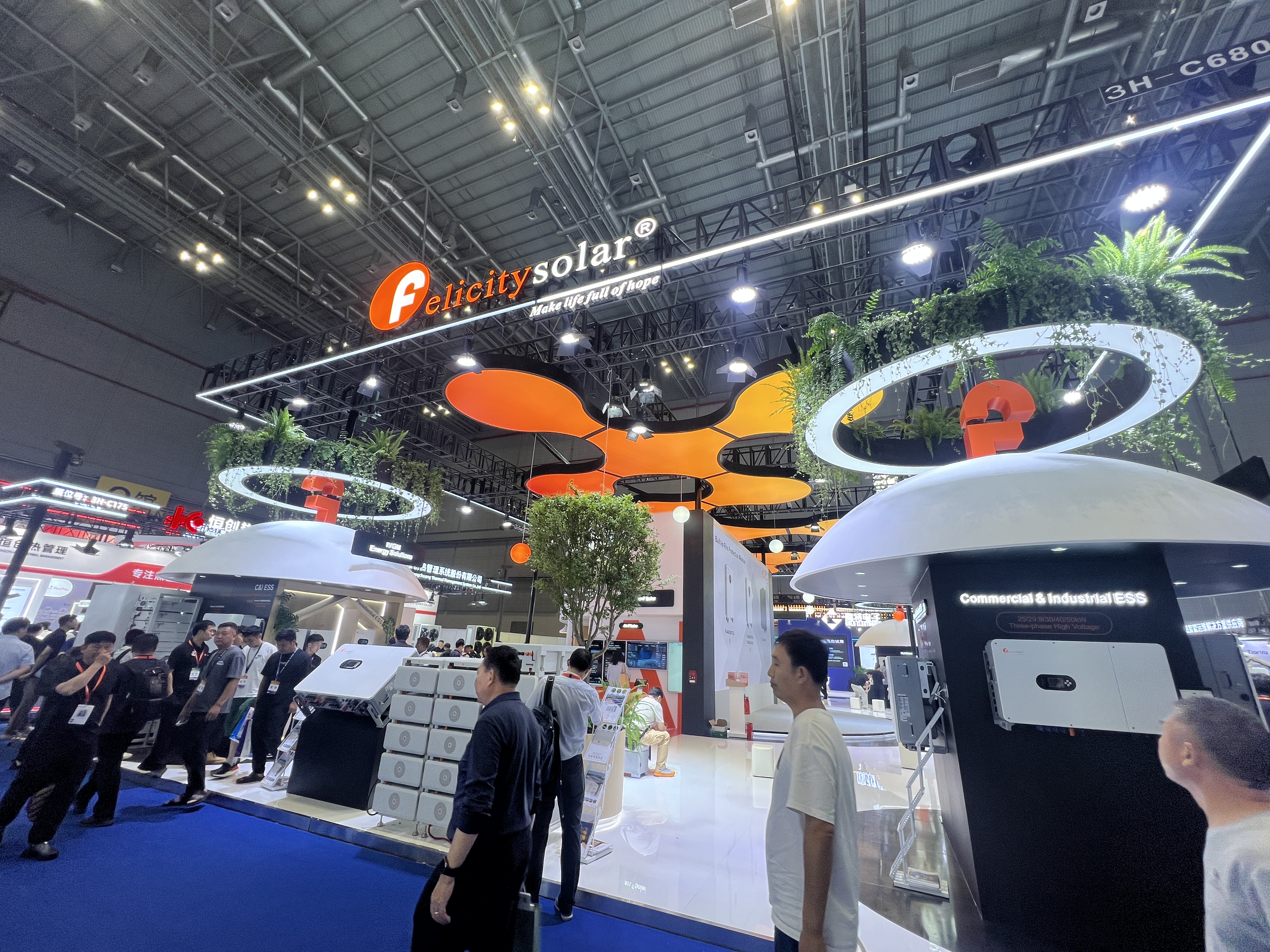
In the residential energy storage segment, the defining trends were plug-and-play integration, AI-driven management, and full compatibility with virtual power plants (VPP). Manufacturers focused on making installation accessible to ordinary users — no complex electrical work required — while the devices pay for themselves through smart energy trading.
Balcony and micro-storage systems (Plug-and-Play)
A new and fast-growing product category aimed at apartment dwellers with their own mini solar panels.
APsystems Lake 6 is a flagship indoor/balcony storage unit with a capacity of 6 kWh. It plugs directly into a standard household outlet with no tools required. It uses safe, low-voltage high-capacity LFP cells (314 Ah), withstands up to 8,000 cycles, and features a built-in fire prevention system. IP65 protection allows outdoor balcony installation, while a built-in heater ensures operation in temperatures down to -20°C.
Modular systems for private homes (Stackable ESS)
For full-scale residential use, manufacturers brought modular “building block” systems whose capacity can be expanded simply by stacking additional units.
Huawei LUNA2000-S1 is an updated premium residential storage series. Thanks to a new modular architecture, usable energy output has increased by 40% and the projected service life has been extended to 15 years. The system features a five-level safety framework, including automatic fire suppression within each individual module.
APsystems AHS-6.3H is a vertical all-in-one stackable system. A 6.3 kW hybrid inverter and a 5.12 kWh lithium iron phosphate battery with scalable capacity are integrated into a single enclosure. The system is controlled via a built-in touchscreen on the unit itself.
AI optimization and VPP earnings (Virtual Power Plants)
A home storage system is no longer just a backup for blackouts — it actively generates income for its owner.
Tariff savings: systems from APsystems and Solis now feature built-in AI models. The neural network analyzes weather forecasts, current dynamic electricity tariffs, and household consumption habits. The battery autonomously decides when to charge from the grid (at night on a cheap tariff), when to store solar energy, and when to switch the home entirely to off-grid mode during peak, high-cost hours. According to the developers, the AI in the Lake 6 model can save up to €1,876 per year.
VPP integration: all residential products on display support virtual power plant protocols, allowing owners to automatically sell surplus stored energy back to the grid at peak prices during periods of supply shortage.
Micro-systems for remote locations (Off-grid)
EZOG D Series is a portable power station designed for remote worksites, country houses, or workshops. It offers capacities from 2.0 to 4.0 kWh, uses gallium nitride (GaN) transistors to achieve 95.5% efficiency, and operates fanlessly — in complete silence — across a temperature range of -40°C to +55°C.